Filming at sea: safety, cameras and sound
Salt water, wind and swell are unforgiving. Here is what we consider when shooting at sea: who goes in the water, how to protect the cameras and how to save the sound.
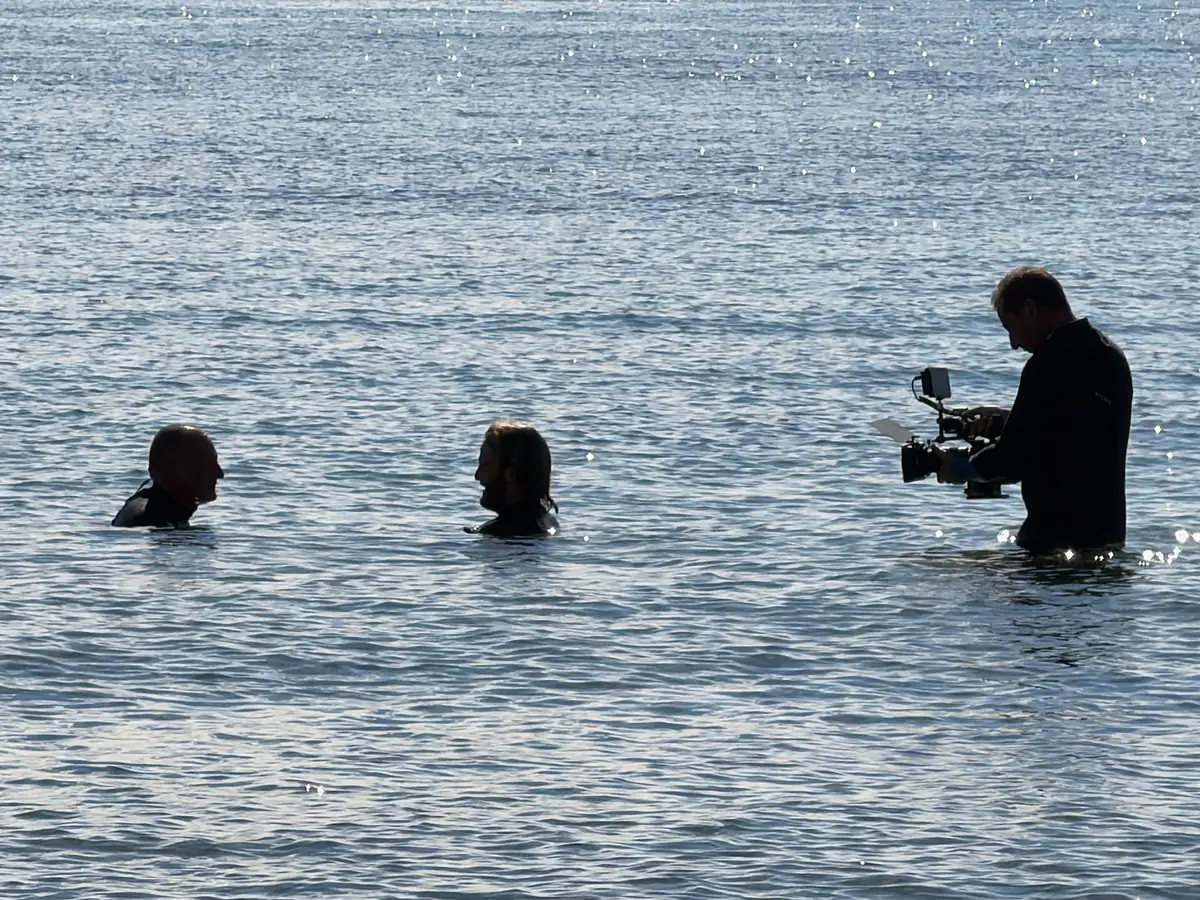
Shooting on dry land forgives a lot of mistakes. Shooting at sea forgives almost none. Salt water ruins equipment, wind wrecks the audio, and a badly judged wave can spoil a take or cause something worse. This is what we keep in mind when a production moves onto the water, as with a documentary like Heart on the Wind, where the sea is not a pretty backdrop but the place where the story happens.
Safety comes before the shot
The rule is simple: no shot is worth a risk. It works best when it is agreed before leaving the shore, not once the gear is already on the boat.
- A safety person who is not operating a camera. Whoever is looking through the viewfinder loses track of what is going on around them.
- A support boat crewed by people who are comfortable on the water, and signals agreed with the people on camera before you start.
- Life jackets or buoyancy aids for anyone working in the water, even strong swimmers.
- Weather and sea-state checks the day before and again that morning, and a real willingness to call it off if conditions are wrong.
- Permits: find out what is needed in that specific area before fixing the date. It changes from place to place.
Cameras: protect what can't get wet
There are three ways to get close to the action: from the shore with a long lens, from a boat, or in the water itself. Each needs different gear.
- In the water: a waterproof housing or a submersible camera. Check the seals and test the empty housing in water before putting the camera inside. It is a simple trick that saves a lot of grief.
- From a boat: salt travels through the air too. Keep covers and cloths handy and wipe the lens every few minutes. Think about stabilisation as well, since boat movement shows a lot with long focal lengths.
- From the air: a drone gives you a different scale, for example a sailboat seen from above. But wind and salt call for care, and you should check the flying rules and permissions for the area.
- Spare cards and batteries, and a double backup of the footage as soon as you are back on land.
Sound: at sea, wind rules
Microphones have a hard time. Wind across the capsule creates a rumble you cannot fix in the edit, and in an interview near the water it shows immediately.
- Good windshields, the furry kind, on every outdoor microphone.
- Lavalier mics placed carefully under clothing and protected from splashes for interviews.
- Ambient sound recorded separately: waves, sails, engine. You will be glad of it in the edit.
- Interviews in a sheltered spot, not in the middle of the swell. During action, live sound is often just a reference track, and it is better to accept that from the start.
A short checklist before heading out
- A plan B for when the sea says no.
- A clear split of roles: who shoots, who watches, who handles sound.
- Gear in waterproof bags, and a towel for your hands before you touch anything.
- Fresh water to rinse the equipment when you get back.
Polarys is a production company based in Castellón, Spain, with its own branch in Italy, and we shoot in Sicily as well. If you have a nautical or outdoor sports project, get in touch and we will plan it with you, with the conditions of each location on the table.