How to broadcast a council meeting, a band contest or a street festival live without anything failing
What we have learned broadcasting council meetings, band contests and festivals for local TV and public bodies: connectivity, cameras, permissions and procurement.
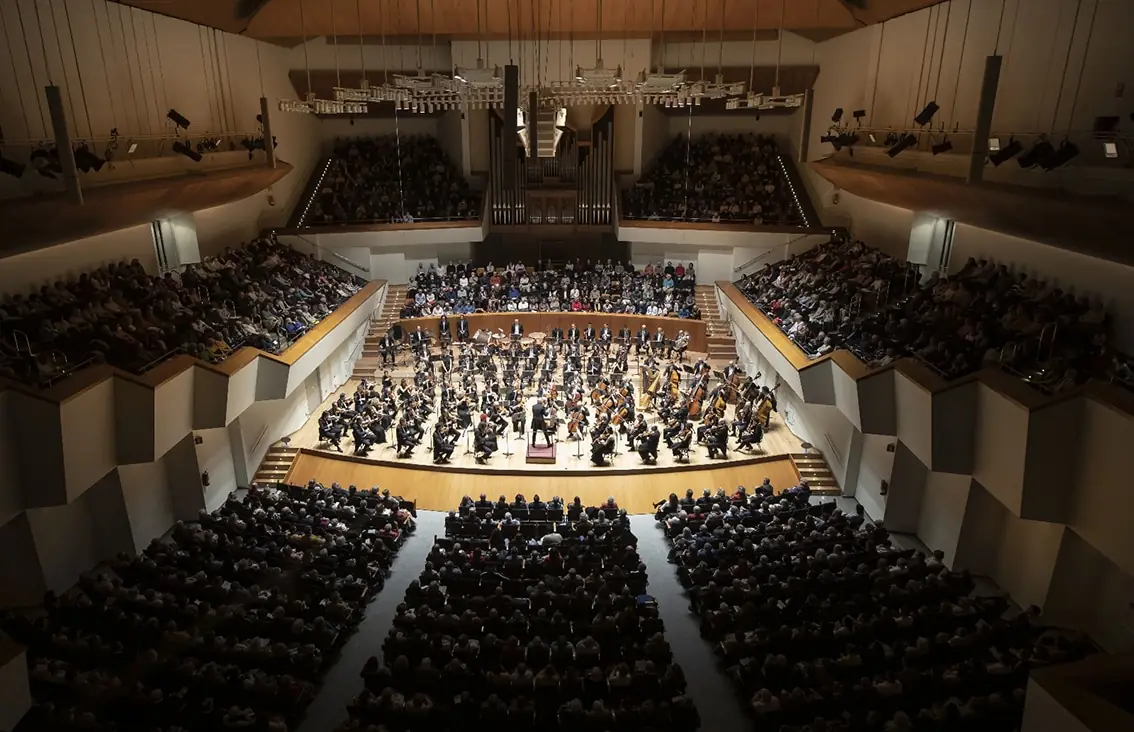
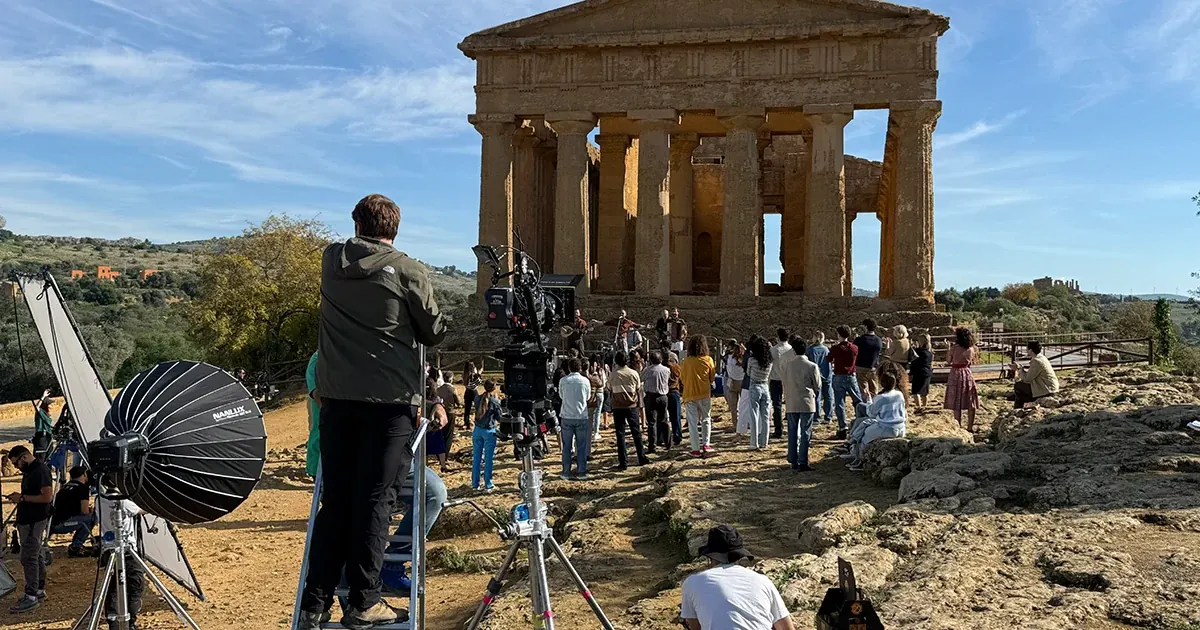
This summer we directed the live coverage of the 138th Ciutat de València International Band Contest. A few weeks earlier, for Televisió de Castelló, we had broadcast the mass and flower offering for the 41st anniversary of Les Alqueries and the bull festival afternoon of Sant Joan in Puçol. In winter it was the Christmas concert of Castelló's Municipal Band and the children's gala of the Vinaròs Carnival.
These are very different broadcasts, but what ruins them is nearly always the same. Here is what we check before switching on a single camera.
1. Connectivity first, cameras second
A live show with no outgoing signal is not a live show. Before thinking about shots, we check where the feed will leave from and how much bandwidth there is.
- We run the upload test the day before, at the same time as the event. At seven in the evening on a festival day, the mobile network looks nothing like it does on a Tuesday morning.
- We always bring two paths: the venue's wired internet line and, on top of that, a unit that bonds several mobile connections. If one drops, the other carries on.
- We ask for a reliable power point, separate from sound and lighting. More than one broadcast has gone to black because someone plugged a deep fryer into the same circuit.
2. How many cameras you actually need
More is not always better. It depends on the story.
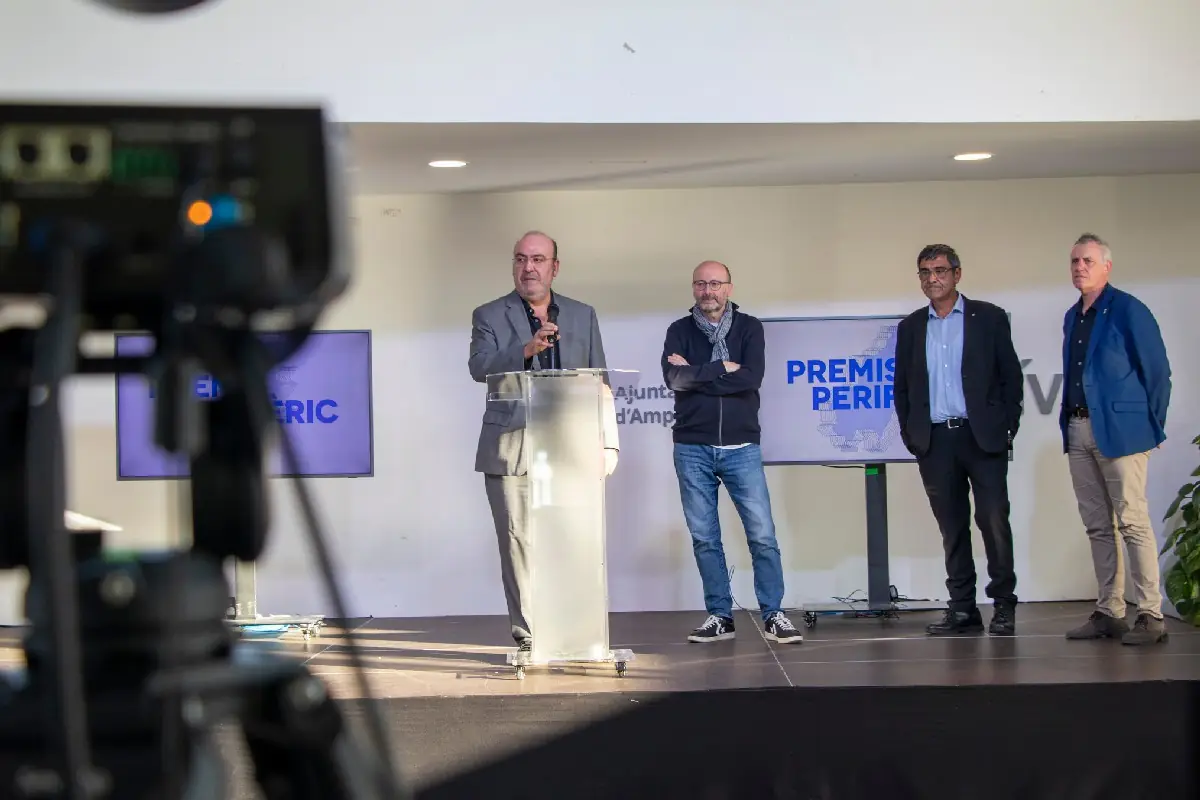
- A council meeting works well with two or three robotic cameras: wide shot, the chair and whoever has the floor. What matters is that the director knows who will speak before they speak.
- A band contest needs more: wide shot of the hall, conductor, sections and soloists. The score is in charge, so it helps if someone on the team can read it, or has at least listened to the piece.
- A street festival means thinking about safety before framing: raised positions, protected cameras and operators who know the route.
3. Permissions and rights, before rather than after
Council meetings are public, but not everything is.
- If minors are on stage, as at a children's gala, the organiser needs the families' consent for broadcast.
- If copyrighted music is played, someone has to be in charge of clearing it for broadcast or for publishing later.
- In private or protected spaces (a theatre, a cloister, a bullring) you need written permission from the owner to rig cameras and cables.
4. Graphics that help instead of hiding
Graphics are what turn a recording into television. At a council meeting: the speaker's name and role, and the agenda item. At a contest: band, piece and conductor. At a festival: place and moment. All prepared and checked in advance, because typing a name in a hurry during a live show nearly always ends in a typo on screen.
5. Where it will be watched
The same feed can go to local TV, to an online platform such as Proximia, to the council website and to social media. Each destination has its own formats and delays, so decide early. When several broadcasters want the same event, the most efficient option is to produce a pool feed that each one uses in its own way.
More and more tenders also ask for subtitles or a sign language interpreter. Planning for it from the start beats adding it once everything is rigged.
6. How it is procured
In Spain, a town council or provincial authority usually has two routes: a contrato menor (minor contract) if the service does not exceed €15,000 excluding VAT, or a public tender for larger amounts or recurring services, such as broadcasting every council meeting in the year.
Our standing advice: in the tender, score technical capacity too (own OB unit, experience with similar broadcasts, a contingency plan) and not just price. A cheap live broadcast that cuts out ends up very expensive.
In short
A good live broadcast is won in preparation: two connections, the right number of cameras, permissions in order, checked graphics and a clear destination for the feed. If you have a council meeting, a contest or a festival coming up, tell us about it and we will tell you how we would do it.